
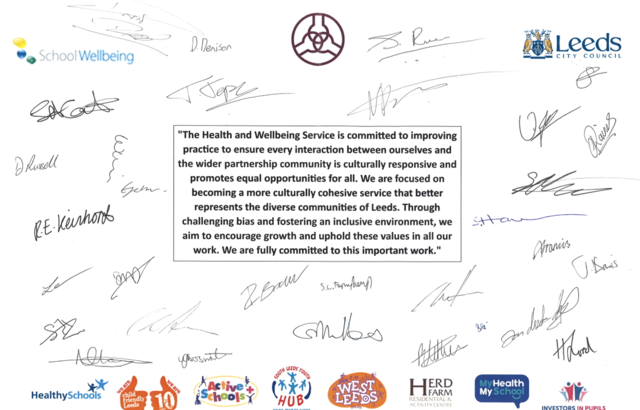
The aim of the CCQM is to improve equality, reduce discrimination, and enable equitable access to opportunities for every citizen. The CCQM supports organisations and individuals to reflect on their services and improve the knowledge, understanding and practices that support work, wellbeing, enjoyment and quality of life for adults and children.
The Council’s vision for Leeds is to be the best council in the best city, to reduce inequalities, understand and address causes of unfairness, and ensure equity of outcomes for all. The task of creating a culturally cohesive society in which all individuals and communities live side by side harmoniously, feeling respected, safe, valued, and having equal opportunities for personal success and fulfilment, is complex. The CCQM provides a framework to increase and embed culturally positive attitudes and behaviour into practices and structures, and reduce segregation and inequality across communities in Leeds and beyond.
Resources
12. September 2026 update
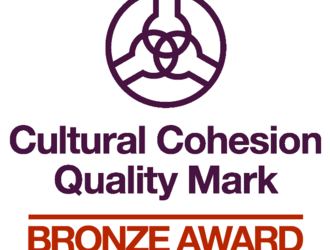
September has been a landmark month for our team and a proud moment in our CCQM journey. Following years of commitment, collaboration and continuous improvement, we successfully completed our validation process and achieved Bronze Status, recognising the positive progress we have made in advancing equality, diversity and inclusion across our service!
- Celebrated the achievement of Bronze Status through the Centre for Culture and Quality Mark (CCQM), recognising the hard work, dedication and collective commitment shown by colleagues across the service.
- Completed a successful validation process, demonstrating the progress made in embedding equality, diversity and inclusion within our policies, practices and culture.
- Identified key priorities for the next stage of our CCQM journey, building on our strengths and continuing to drive meaningful and sustainable improvement.
11 July/ August 2026 update
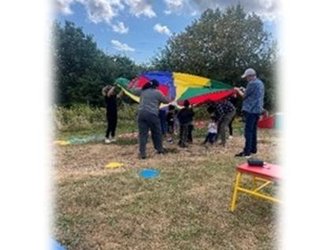
Delivered a HENRY Family Fun Day that brought together families from a wide range of backgrounds to participate in inclusive and engaging activities, promoting connection, understanding, and a sense of community.
Created opportunities for families to share experiences, celebrate diversity, and build positive relationships, helping to foster a welcoming environment where everyone feels valued, respected, and included.
Strengthened community ties and cultural cohesion through collaborative activities and community engagement, demonstrating the team's commitment to inclusion and belonging.
Applied learning from inclusive recruitment and selection training to recent recruitment activity, embedding more inclusive approaches within job advertisements and recruitment processes.
10 June 2026 update
Recent activity reflects the team's continued commitment to embedding culturally inclusive practice.
Contributed to the refresh of the Leeds Intercultural Cities Index, supporting the city's commitment to inclusion, cultural cohesion and intercultural understanding through partnership working, including collaboration with Reggio Emilia and planning the ICC Annual Coordinators' meeting in Leeds.
Created a HENRY film celebrating the diversity of families across Leeds, ensuring a wide range of communities and family experiences are represented.
Adapted HENRY programme delivery to meet the needs of families who were new to the UK or spoke English as an additional language, making activities more accessible and inclusive.
Embedded inclusive recruitment practices by involving a young person alongside staff in the interview process and sharing interview questions with candidates in advance, helping to create a fairer and more accessible recruitment experience.
Reflected on progress and evidence gathered in preparation for the upcoming Cultural Cohesion Quality Mark validation meeting, demonstrating an ongoing commitment to continuous improvement.
9 May 2026 update
The team has continued to build on its commitment to inclusive and accessible practice:
-
Adapted Health and Hand Hygiene sessions to ensure accessibility for non‑verbal autistic pupils.
-
Attended Reasonable Adjustments training to strengthen understanding of how to reduce barriers for learners.
-
Delivered Primary RSE with Confidence training, incorporating LGBTQ+ content, diverse faith perspectives and SEND‑inclusive approaches.
-
Hosted the Herd Farm Open Day, welcoming around 300 families from across Leeds and neighbouring councils to a shared day of adventure, physical activity and community connection.
-
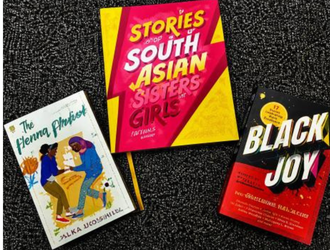
Expanded the Herd Farm library with new inclusive texts celebrating Black British culture, South Asian women’s achievements and LGBTQ+ representation.
-
Continued developing communication accessibility through participation in the second British Sign Language practice session.
8 April 2026 update
Our work towards the CCQM remains active and consistently moving forward:
-
Ran an inclusive Easter holiday club at West Leeds Activity Centre for SEND young people, providing accessible activities and supportive opportunities for engagement.
-
Issued preliminary market engagement questions for the Herd Farm high ropes project, asking potential designers to share examples of disability‑inclusive adaptations used in previous schemes to ensure broad accessibility.
-
Celebrated parents completing the HENRY programme with a facilitated trip to West Leeds Activity Centre, where families enjoyed a shared two‑hour outdoor adventure session that strengthened community connections.
7 March 2026 update
March has been a lively and meaningful month, strengthening our commitment to inclusion, cultural celebration and accessible provision.
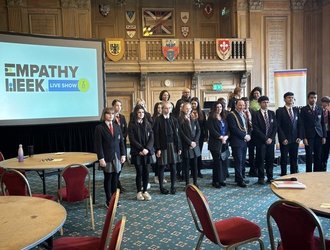
- Supported Empathy Week in Leeds, where 225 pupils explored the theme “My Culture, Your Culture, Our Culture” through creative activities and input from Amnesty International, helping to build empathy, challenge stereotypes and celebrate diversity across schools.
-
Purchased a step-level ramp for West Leeds Activity Centre, improving level-free access for young people with mobility needs.
-
Hosted a vibrant Holi celebration at Herd Farm, welcoming over 100 members of the Hindu community for a joyful festival of colour, music and togetherness.
6 February 2026 update
Recent activity reflects the team’s continued commitment to developing culturally informed and inclusive practice.
-
Attended Intro to Migration in Yorkshire training, building a stronger understanding of the experiences of migrant communities and how this can inform more culturally responsive service delivery.
-
Engaged in a Ramadan awareness webinar, prompting reflection on how to better support fasting delegates; the team is now exploring adjustments to the training calendar, as well as opportunities to participate in charitable activity during Ramadan to demonstrate solidarity.
-
Participated in an Anti‑racism in Practice webinar, supporting continued development of anti‑racist approaches, with learning being shared across the team to strengthen consistency in practice.
5 January 2026 update
January has been a productive month with a strong focus on inclusion, staff development, and ensuring equitable access to opportunities for all young people.
- Delivered training to the Inclusion Team with excellent feedback received.
- Attended Inclusion Live Week, strengthening service-wide understanding of inclusive practice.
- Attended an introductory online British Sign Language session to support more accessible communication.
- Delivered Gender Action and Sexual Violence bitesize sessions, reinforcing our commitment to informed and inclusive practice.
- Produced a Poverty Report, linking findings to the MHMS Survey to deepen understanding of local need.
- Scheduled a Whole Service CCQM briefing for February.
- Updated marketing materials, representing a range of diverse communities.
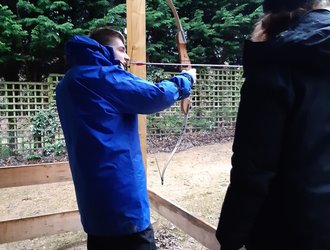
- Explored ways to ensure all young people can access activities, including researching and trialling adapted archery techniques for young people with limb difference - practised the adapted approach and worked with school colleagues to build confidence and ensure safe delivery.
4 December 2025 update
This summary captures the team’s recent work to strengthen inclusive practice and maintain focus on CCQM priorities.
- Updated CCQM information shared with the team to keep priorities clearly in focus; staff report feeling motivated by the new support documents.
-
Updating the poverty report for the Thriving Board, including analysis of key pupil cohorts such as FSM.
-
Ongoing peer learning continues around the consistent use of gender‑neutral language.
-
Team discussions held on the inclusivity of festivals and celebrations, with plans to broaden representation moving forward.
-
Work underway to make the MHMS survey more accessible for pupils with EAL.
-
Exploring funding options to support interpreter provision for parents engaging with the HENRY programme.
-
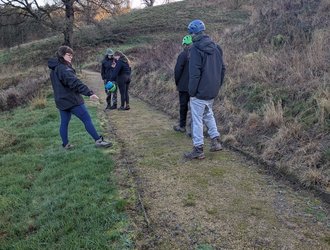
Continued discussions on accessibility improvements for the high ropes course and the pathways leading to it.
3 November 2025 update
We remain committed and are steadily progressing towards the CCQM:
-
Held discussions on how to make our events more inclusive by identifying and reducing barriers to participation.
-
Continued attending DAWN network meetings to learn from people with lived experience of disability.
-
Begun applying insights from these sessions to drive improved council practice and enhance our own services and support.
2 October 2025 update
Our team has continued to make meaningful strides in towards the CCQM:
-
-
Updated AMR resources to ensure they are more accessible and user‑friendly.
-
Engaged with schools through our consultants to explore how we can make services and resources more inclusive.
-
Supported Show Racism the Red Card Day to stand against discrimination and promote equality.
-
Hosted the Herd Farm Open Day, welcoming families from the Alwoodley parish to an inclusive community event.
-

1 September 2025 update
Our team is committed to making strong progress towards the CCQM:
-
Reflected on our achievements and set clear priorities for the year ahead, with plans to further grow the CCQM working group.
-
Updated the LGBTQ+ A–Z guide to ensure language and guidance remain current and inclusive.
-
Revised MHMSS, replacing gender-related questions with sex-related questions for improved clarity and accuracy.